What Whipjacket Is About
We Build "Sharp Tools For Veterans In A Cut-Throat Economy"
Our organization exists in its current iteration to help you, the veteran business owner, leverage your skills, experience, and peers for success in the civilian world, and to help you identify blind spots and vulnerabilities in your life and business model your competitors can exploit.
We seek to create a lean, succinct, valuable resource that shortens the learning curve in the soft and hard skill gaps veterans experience when competing with civilian counterparts...
Everything we produce that is not purpose-built for a specific project is meant to enrich the wider veteran-owned business community. Our Articles, Videos and Downloads are meant to be a resource for professional development, formatted in such a way as the provide value quickly and directly.
If we are failing in the endeavor, you can send up a flare by clicking [here].
We invite you to share your specific needs with us, and we will tailor the necessary materials and training to support your success.
As veterans, your commitment and service are greatly appreciated amongst our leadership, support staff, and everyone we associate with in the market.
We remain dedicated to ensuring that you remain competitive in the workforce alongside your civilian counterparts whose life paths have benefitted from an uninterrupted commercial trajectory.
What’s a “Whipjacket”?
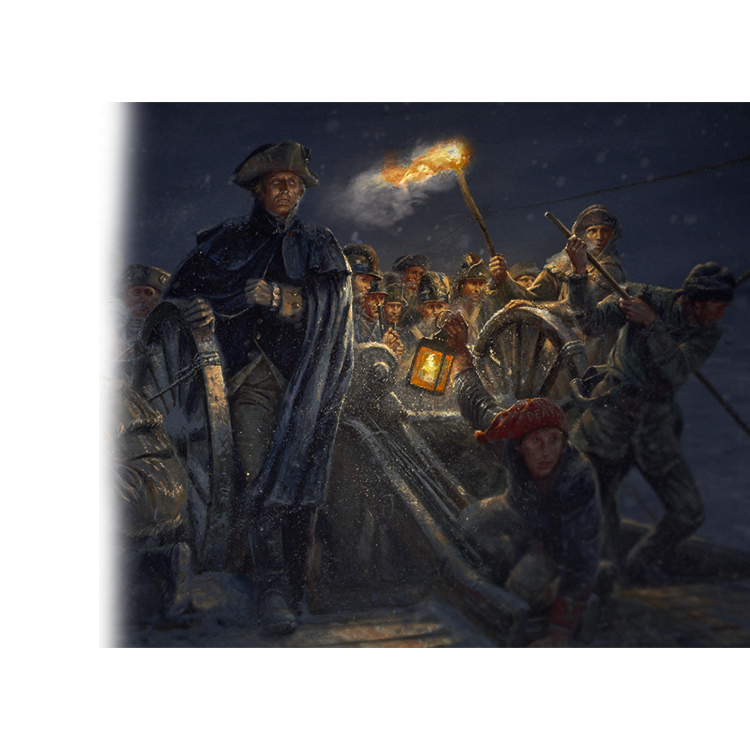
Colonial soldiers and the militia irregulars who supported them surreptitiously were scoundrels by all British measure. Beginning with their insolent refusal of the Crown’s gracious offer of perpetual servitude in the first place (afterall, what better to BE than an ENGLISHMAN), the colonists simply would not meet the British on their own terms.
Pesky pamphlets popped up in every home, church and tavern in towns and hamlets with no printing press. Barrels of powder, shot, whiskey and salt pork vanished from dockyards overnight. Sabateurs lie in wait for them the moment their supply lines came to a halt in the rough, unfamiliar and mind-blowingly expansive terrain.
What was happening to facilitate these mysterious wonders of the new world, was that a group of resistance fighters were having their say with the way Loyalists conducted commerce with the crown. And at the beginning, they didn’t have a name.
Many already had grey in their beards; veterans of the brutal hand to hand combat against the Lenape, Shawnee, Susquehannock and Iroquois. Some were young upstarts in business, keen to make a fortune from the smuggling trade while the unpleasantness abounded between the colonies and the mother country.
Some were sailors who left the merchant fleet after an injury like the loss of an eye or hand, or a terrible taste for whiskey, hoping life on the rivers would be easier than life on the main.
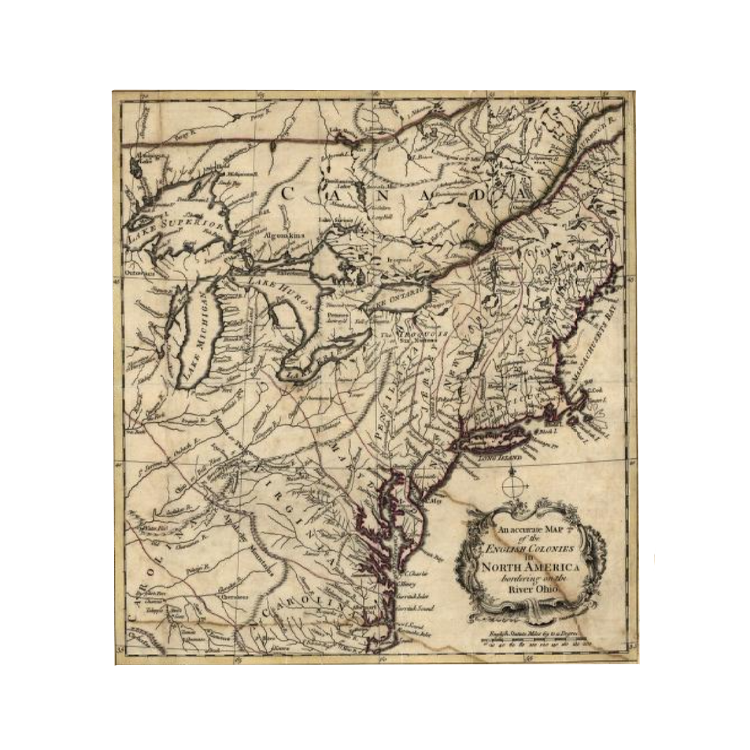
They rowed the broad, shallow cargo boats along the waterways deep into the interior via the Hudson the Delaware from what is now the Delaware and Chesapeake Bay.
As you might imagine, riverwork is rough work, and a boatman would have to make use of what availed him.
They were to the British eye, every inch a band of pirates. A soldier’s tunic, a merchant sailor’s pair of trousers, boots traded for abroad on some Spanish territory’s shore and an above-his station dressing of a finer weapon than most could tote were all on-brand.
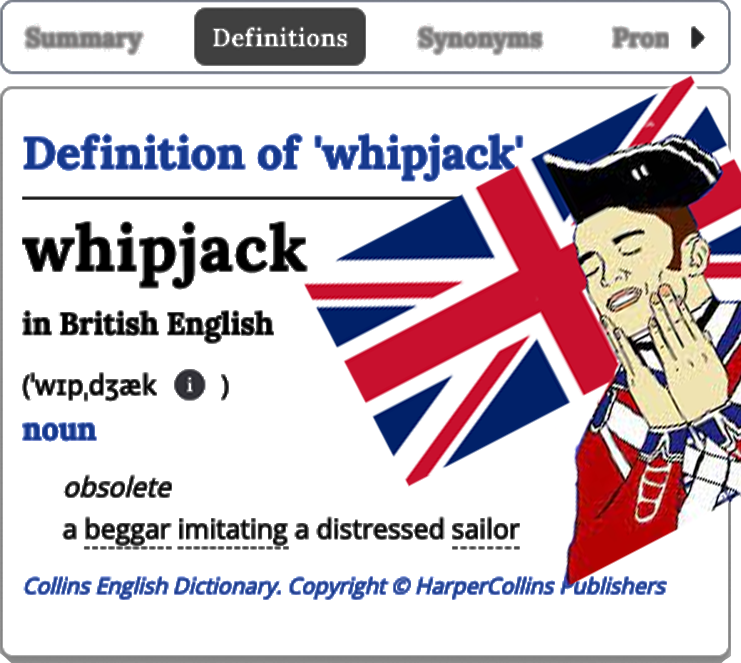
The term “whipjack” originated in England during a time when beggars would feign being injured sailors to evoke sympathy and financial support. These impostors, known as whipjacks, often claimed they had served in the navy and fallen on hard times. Many had, in fact been pirates or privateers with real crews who had just missed their employing vessel’s departure for one reason or another. (The alarm clock wouldn’t be invented until 1787).
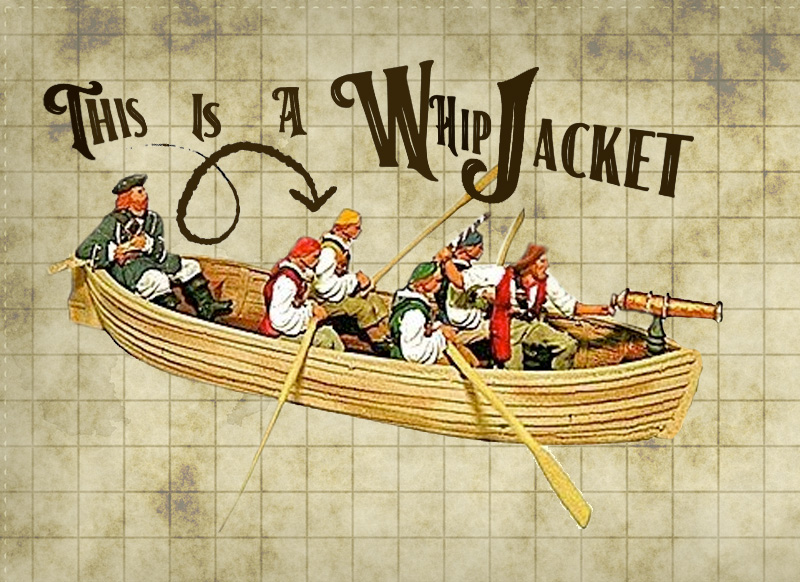
When British naval personnel arrived in the American colonies, they observed the colonial men who rowed small boats carrying cargo from tall ships to the docks.
These boatmen, often rugged and poorly dressed, reminded the British sailors of the whipjacks back in England.
As a result, the British began referring to these colonial cargo boatmen as “whipjacks”—a derogatory term that implied they were as disheveled and untrustworthy as the beggars in England.
Over time, the term evolved, and a “whipjacket” came to describe not just a single individual, but a boat full of men who fit this unflattering description. The term likely carried every sense of disdain and superiority the occupiers felt entitled to.
We go by “Whipjacket” because that’s what we are: a shabby, unconventional crew of grizzled veterans, crazy tinkerers, cocky young upstarts and grumpy old men… all pulling in the same direction.
While we are not quite a democracy, we are, like the Whipjackets and Pirate Ship Crews of old we ARE a “Benevolent Dictatorship, coronated by Meritocratic Consensus”.
Our methods are unorthodox. Our style is novel. Our approach is asymmetric. But our results are unmistakeable.
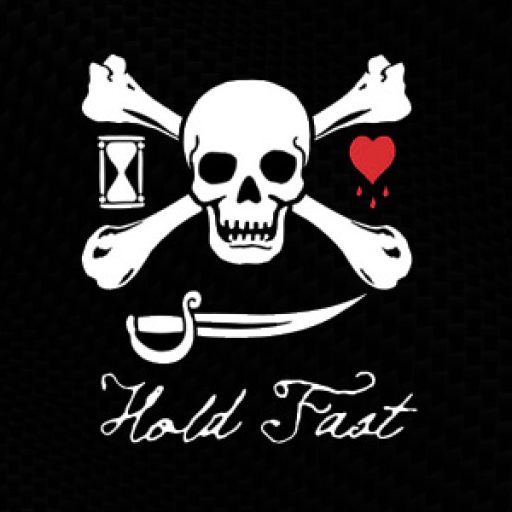
Our motto “Hold Fast” isn’t an artistic choice or an edgy political statement.
In our experience, holding it all together when the rest of the world is running around with their hair on fire and their pants around their ankles is sometimes all you need to make it.
So you: Hold Fast. We’ll talk you through it.